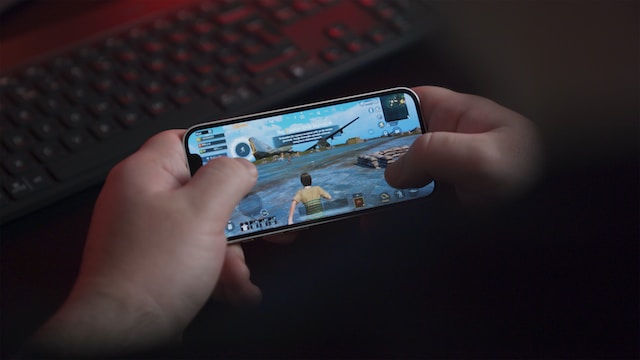
In the expansive realm of game development, creativity intertwines with technology, giving rise to virtual worlds that captivate the imagination and invite players into immersive experiences. This journey into the heart of game development unveils the essence of the craft, where ideas transform into interactive realities, and the lines of code become the brushstrokes that paint digital landscapes.

At the genesis of game development lies the spark of inspiration, the moment when a concept is conceived that will evolve into a digital masterpiece. This phase is a collaborative dance of designers, artists, and storytellers, where ideas are explored, refined, and shaped into the foundation of a virtual universe waiting to be brought to life.
Programming, the backbone of game development, is the alchemical process through which abstract concepts are translated into functional reality. Programmers, armed with coding languages like C++, Java, or Python, breathe life into the digital canvas, creating the intricate systems and mechanics that define the gameplay. It’s a symphony of logic and creativity, where the lines of code serve as the conduits through which players navigate and interact.
Artistic expression plays a pivotal role in giving identity to the virtual realm. Artists and graphic designers contribute to the visual aesthetics by crafting concept art, 3D models, and textures that shape characters, environments, and assets. The visual language they create becomes the conduit through which the narrative and emotions are communicated to players.
Sound design introduces a sensory layer to the gaming experience, enriching the digital landscape with music, sound effects, and ambient sounds. Sound designers curate an auditory atmosphere that complements the visual elements, creating a harmonious fusion that immerses players in the virtual world, heightening emotions and enhancing the overall experience.
User interface (UI) and user experience (UX) design are essential components that ensure players can engage seamlessly with the game. Designers craft interfaces that are intuitive, controls that feel responsive, and feedback mechanisms that enhance usability. A well-designed UI becomes an unobtrusive guide, allowing players to navigate the digital terrain effortlessly.
Quality assurance (QA) or playtesting is a pivotal phase that ensures the game meets the standards of playability and performance. Testers engage with the game, identifying bugs, glitches, and areas for improvement. This iterative process of testing and refinement is fundamental to delivering a polished and enjoyable gaming experience.
Collaboration is the heartbeat of game development, where diverse talents converge to bring a vision to life. Artists collaborate with programmers to seamlessly integrate visual elements, sound designers align their work with the narrative, and the entire team engages in playtesting to refine the player experience.
Technological advancements, including virtual reality (VR) and augmented reality (AR), push the boundaries of game development, offering new dimensions for storytelling and player engagement. These technologies open up possibilities for more immersive and interactive gaming experiences, expanding the horizons of digital entertainment.
Monetization strategies add a pragmatic layer to game development, exploring various revenue streams such as in-app purchases, advertisements, and premium game purchases to sustain ongoing development and support.

In conclusion, game development is an intricate dance of creativity, technology, and collaboration. It is the art of crafting virtual realms that invite players to explore, dream, and embark on digital adventures that transcend the boundaries of reality. From the initial spark of inspiration to the final lines of code, the essence of game development lies in the alchemy that transforms ideas into interactive experiences, shaping a digital landscape where imagination knows no bounds.